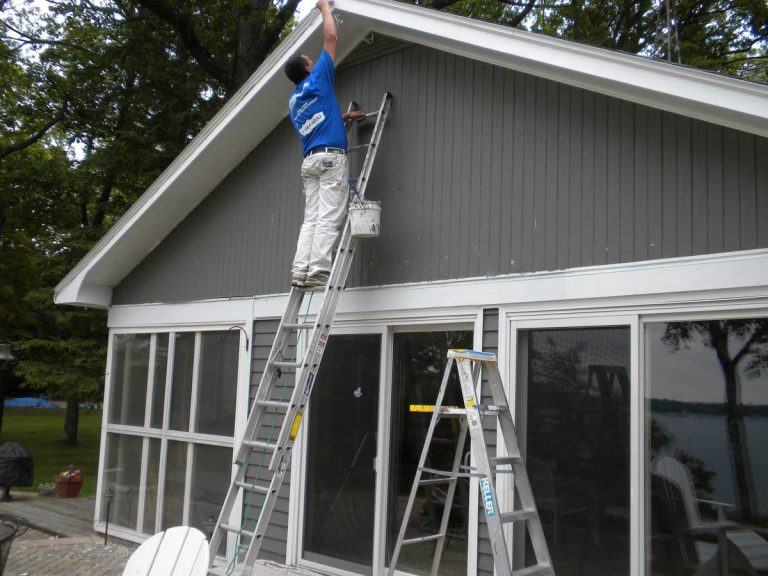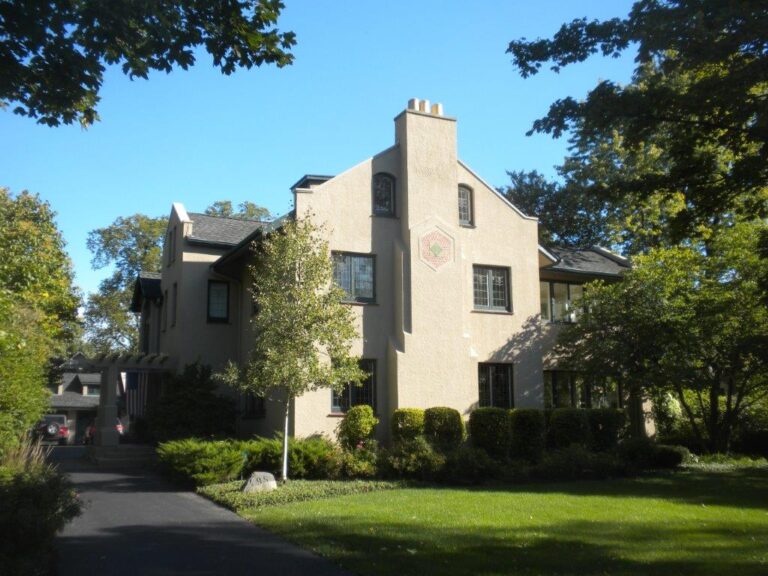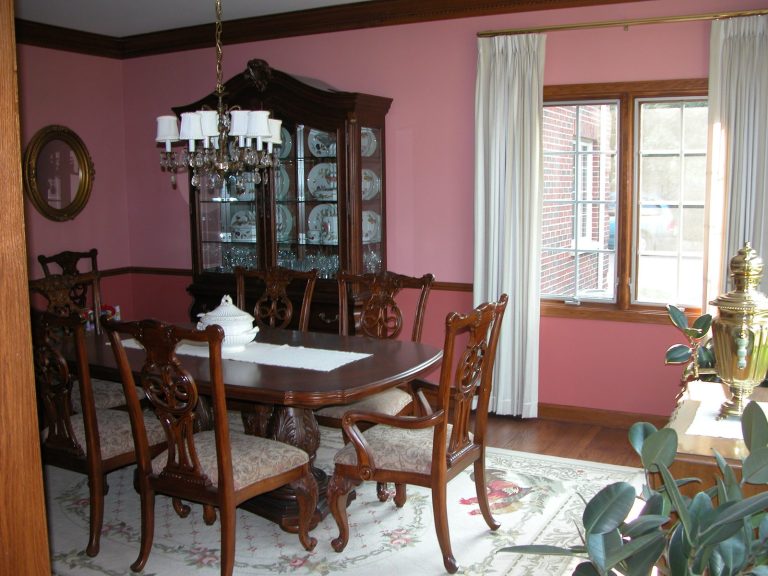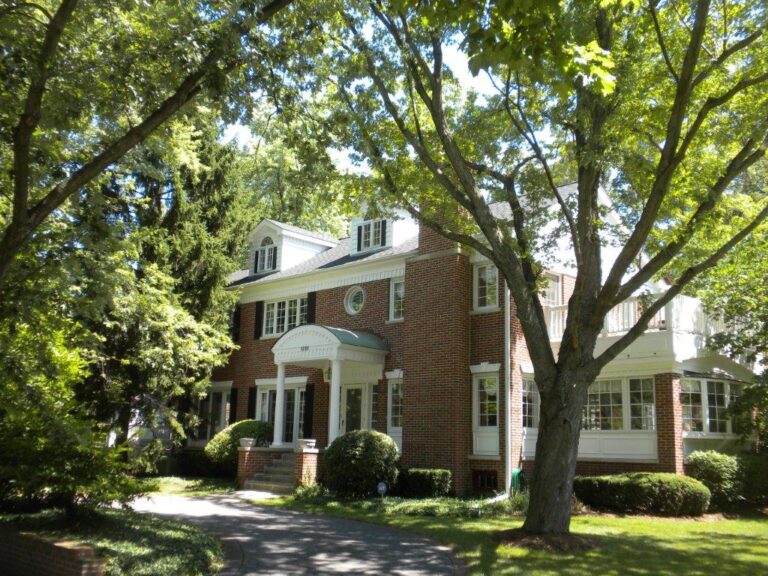

Every year around the second week of April the phone starts ringing with the same request: “We would like the house painted in May.” By then May is gone, and often June with it. Exterior painting on the North Shore runs on a short calendar set by the weather, and the people who get the dates they want are the ones who understood that calendar a few months earlier. Here is how it works.

The Season Is Shorter Than It Looks
Exterior coatings need the surface and the air to stay above roughly 50 degrees while they cure, not just while they go on. A warm afternoon followed by a 38-degree night is a failed coat. Add rain days, wind days too strong for spraying, and mornings lost to dew on north walls, and the real exterior season on the North Shore is late April through the middle of October. Some products are rated down to 35 degrees, which buys a little on each end, but it does not change the shape of the season.
Inside that window, a crew can paint a certain number of houses. That number does not grow because more people call.
Why Spring Fills So Fast
- Everyone decides at the same time. The first warm weekend in April sends thousands of people around the yard looking at peeling trim. The calls arrive in one wave.
- Spring work is booked in winter. Homeowners who had estimates done in January and February hold the May and June dates. By the time the April wave hits, a painter is scheduling July.
- Jobs are long. A full exterior is four to eight working days. Weather stretches it. A crew that can do six houses a month in theory does four in practice.
- Listings and events have hard dates. Houses going on the market in May and graduation parties in June all want to be painted first, and they book early.
The Calendar, Month by Month
| Month | What is happening | What to do |
|---|---|---|
| November to January | Interior season. Exterior estimates still happen; Pete can assess siding, trim, and masonry in any weather. | Book the estimate visit. Decide colors. Lock a spring date. |
| February to March | Spring calendar fills. Quotes written now hold May and June dates. | Last comfortable window to choose your start date. |
| April | First warm weekend; the wave of calls. Work starts late in the month when nights stay above 50. | Call now and expect summer dates. |
| May to June | Peak season. Long days, mild temperatures, crews fully booked. | Booked months ago. |
| July to August | Hot afternoons mean early starts and shaded walls first; thunderstorms cost days. | Good dates still open for those who call in spring. |
| September to mid-October | The best painting weather of the year: dry, cool, stable. The second-busiest month is September. | Ideal for anyone who missed spring. Book by July. |
| Late October onward | Nights drop below 50; coatings stop curing reliably. Exterior season closes. | Move to interior, doors, and cabinets. Plan next spring. |
Fall Is the Secret
September and early October have the most stable conditions of the year: low humidity, mild days, cool but not cold nights, and far fewer storms than June and July. Paint cures evenly and crews lose fewer days. If you missed spring, a fall date is not a consolation prize. It is often the better job. The catch is the same one: fall fills by midsummer.
How Scheduling Works With Us
- The estimate visit can happen any month. Pete looks at the surfaces, tells you what they need, and writes a firm quote for the whole job. Read how our estimates work.
- Your start date is held when you accept the quote. Jobs go on the calendar in the order they are accepted, so an accepted quote in February beats a phone call in April.
- Weather moves days, not weeks. A rain day pushes the job a day; we do not skip you to start someone else.
- Prep can start earlier than paint. Scraping, sanding, caulking, and spot-priming tolerate cooler weather than finish coats, which lets us start some spring jobs sooner.
- Color decisions do not have to wait. Pick colors in winter with the paint visualizer and a sample panel on the house in the first warm week.
Signs Your Exterior Should Not Wait Another Year
- Peeling or flaking paint on wood, especially on sills, fascia, and the bottoms of siding boards.
- Cracked or missing caulk around windows and doors.
- Bare wood showing anywhere. Unpainted wood takes on water all winter.
- Chalk on your hand when you rub the siding.
- Mildew or green staining on shaded walls.
Any of these means water is already getting in, and a year’s delay turns a paint job into a carpentry job. Our residential painting services page covers what a full exterior includes.
Questions We Get About Timing
Can you paint in April?
Late April, usually, once nights hold above 50. Early April is for prep and estimates.
What if it rains during my job?
We stop, let the surfaces dry, and pick up the next dry day. The schedule moves by the rain days, not by weeks.
Is it too late to book if it is already May?
No, but expect a summer or early fall start. Fall is excellent painting weather.
Can decks, fences, and doors be done outside the season?
Doors can often be refinished year-round, in place or in the shop. Decks and fences follow the same temperature rules as siding. See deck refinishing and front door refinishing.
Get on the Calendar
Call (847) 564-4880 or request a free estimate and pick a date for the visit. We paint exteriors across the North Shore from our shop in Northbrook, including Glenview, Winnetka, Wilmette, Evanston, Highland Park, Deerfield, and Lake Forest.