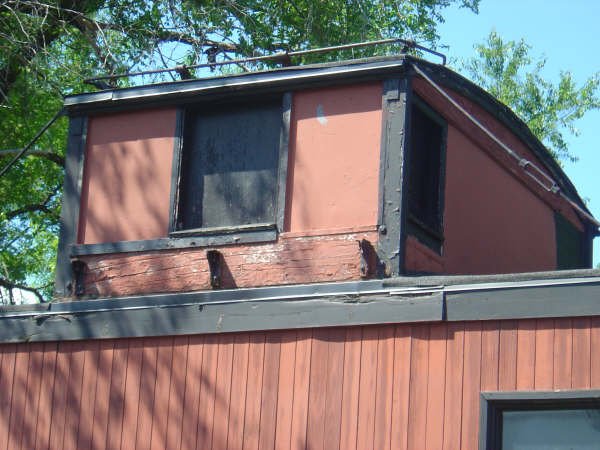
There is a particular sadness to a landmark going gray. The caboose that every child in town has climbed on, the little depot that holds the historical society’s photographs, sitting behind their iron fence with the paint curling off the cupola and the boards going silver underneath. People stop noticing it. Then one summer the color comes back, and they notice all over again.
The Job
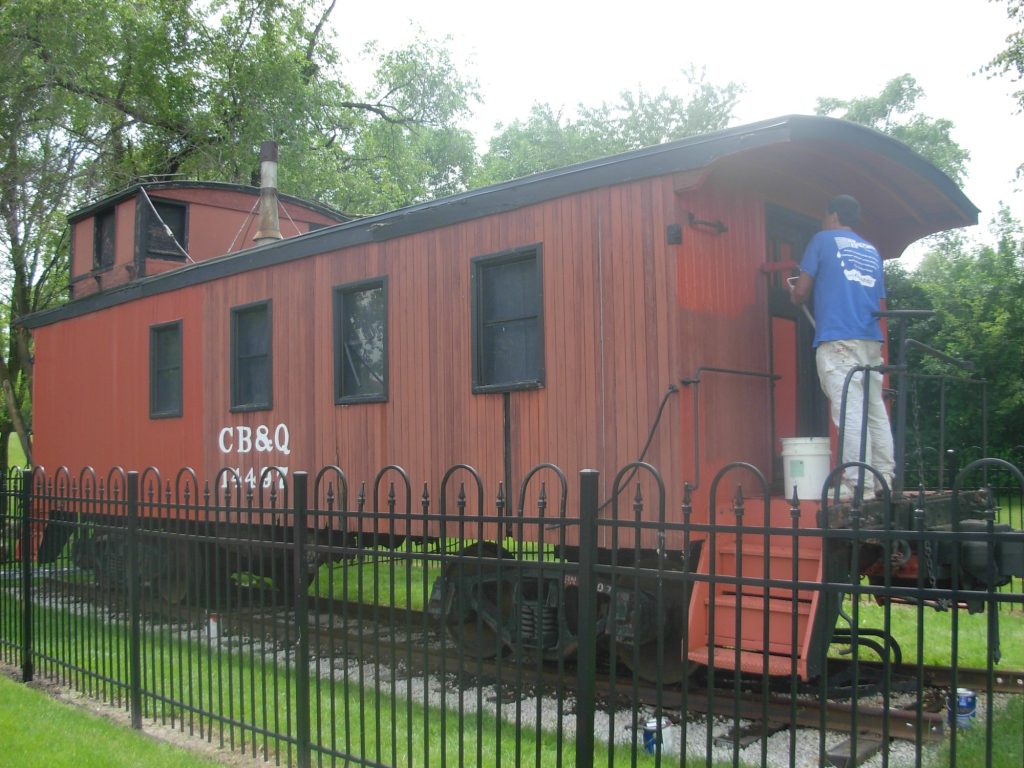
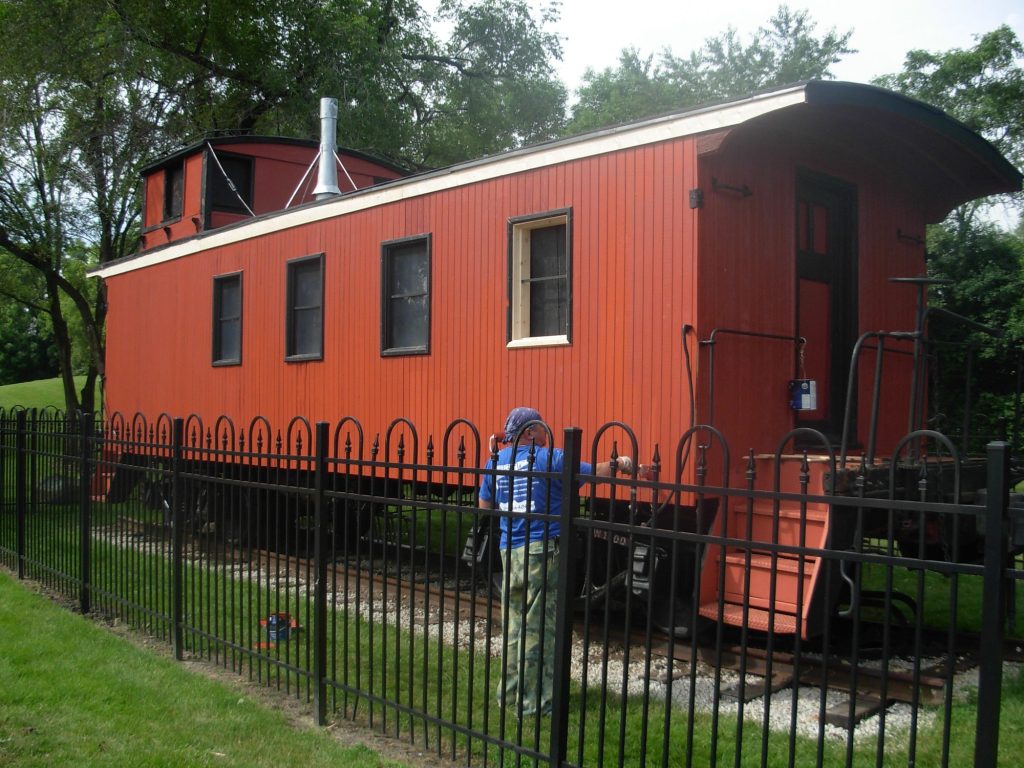
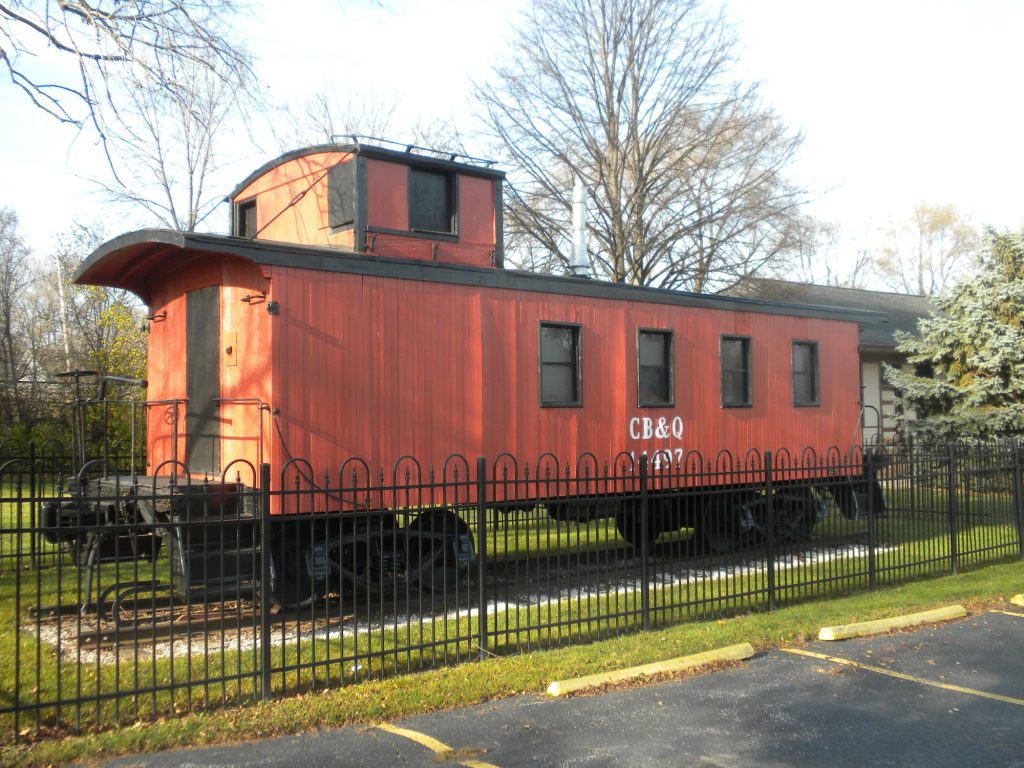
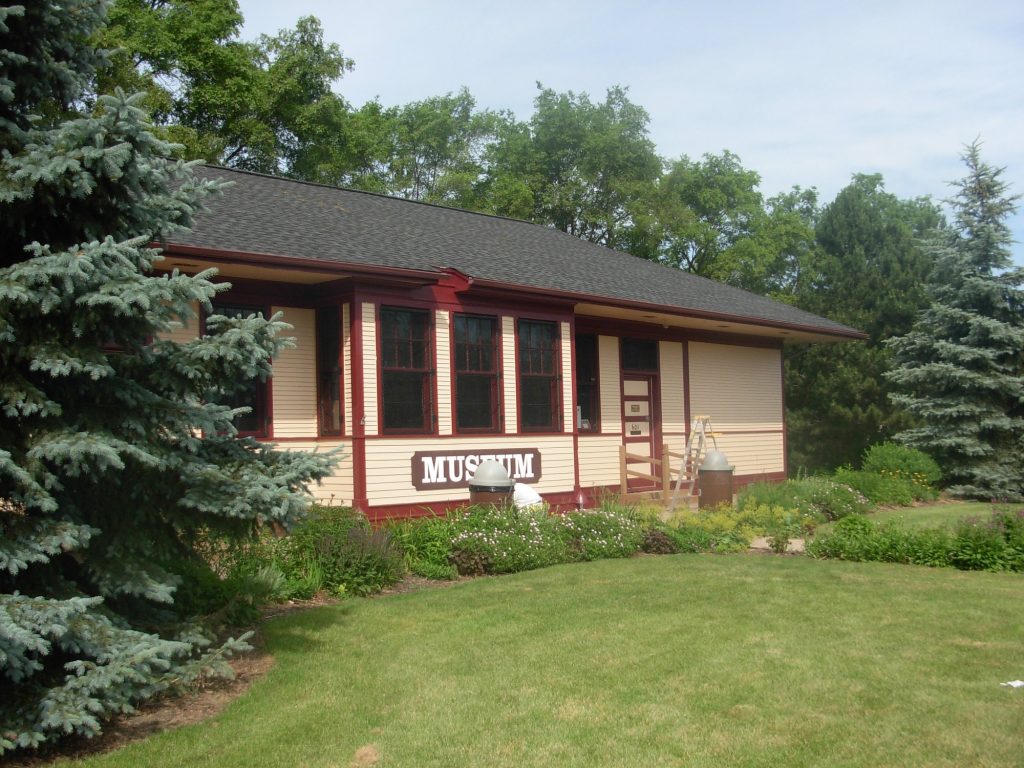
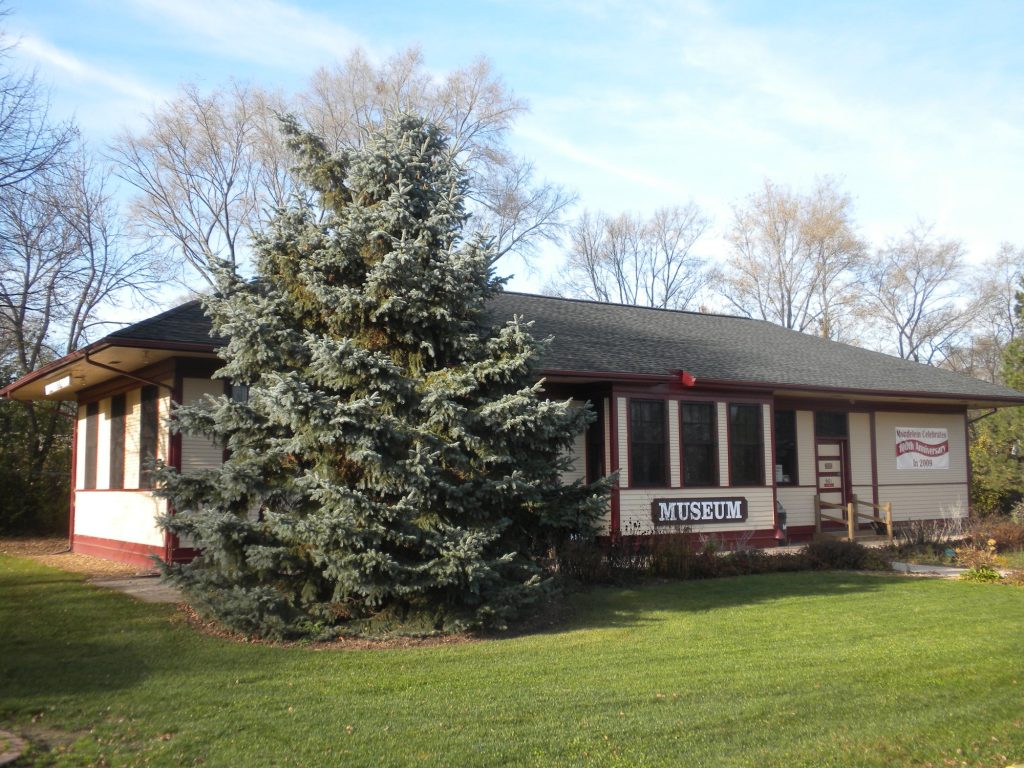
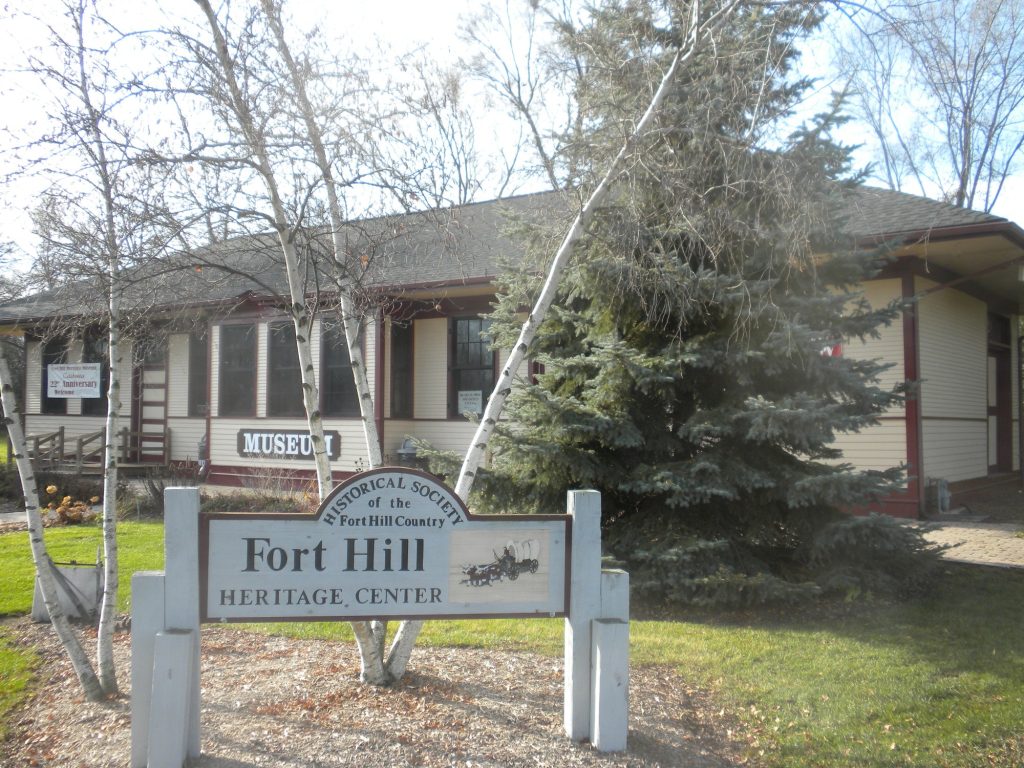
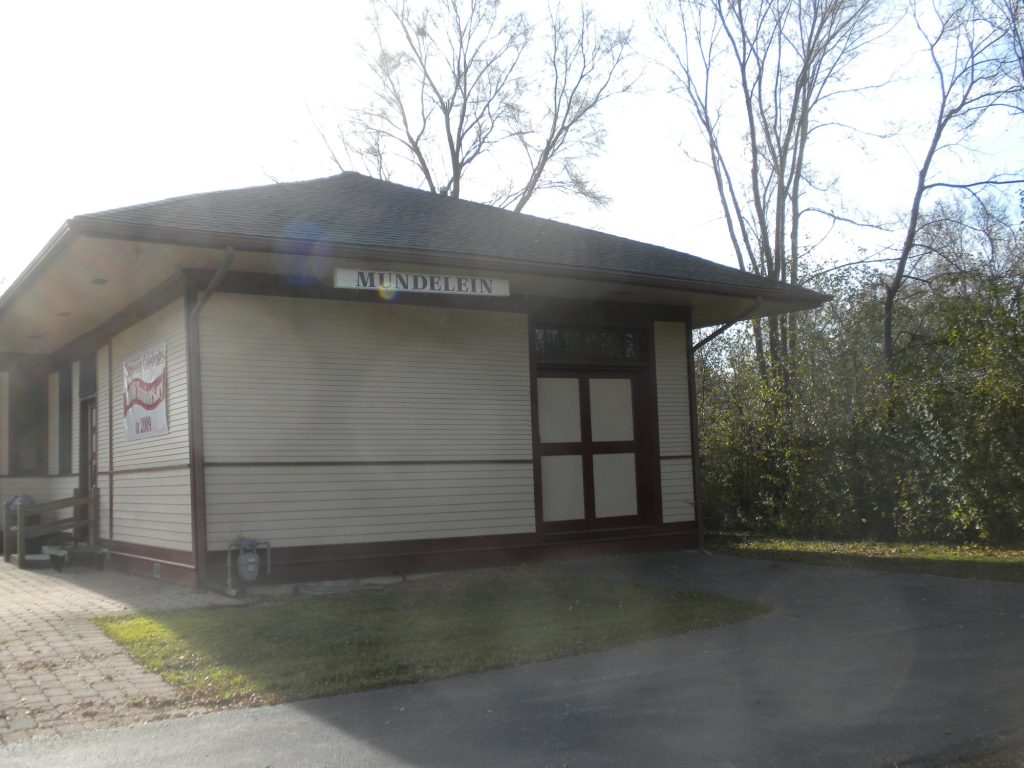
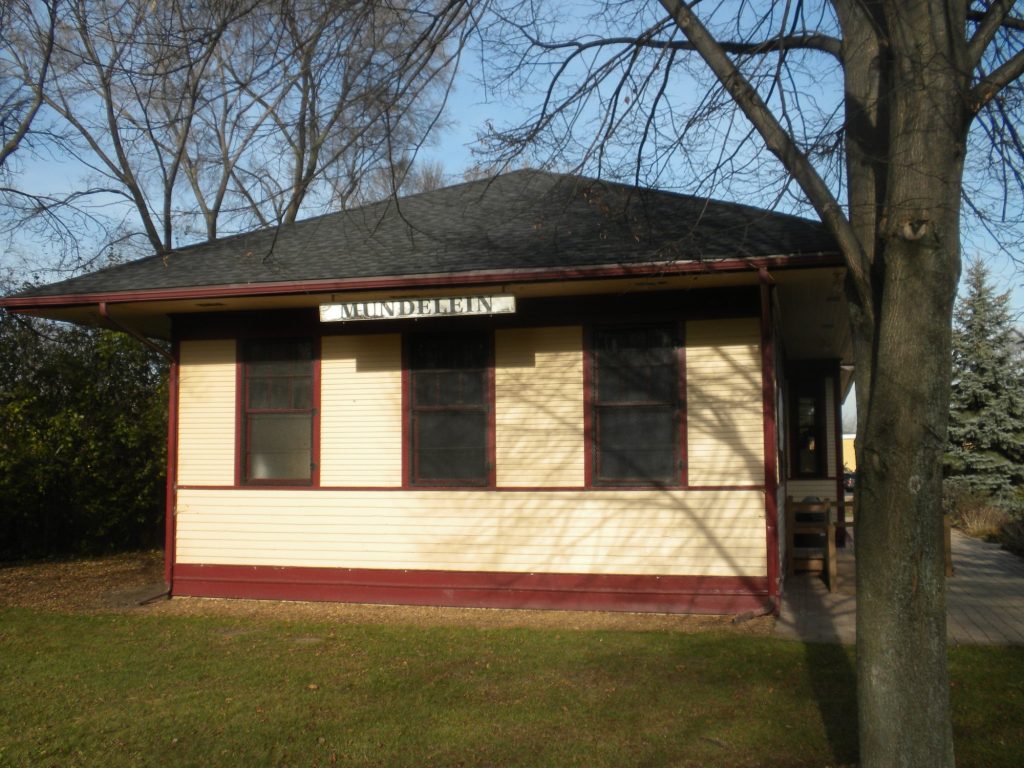
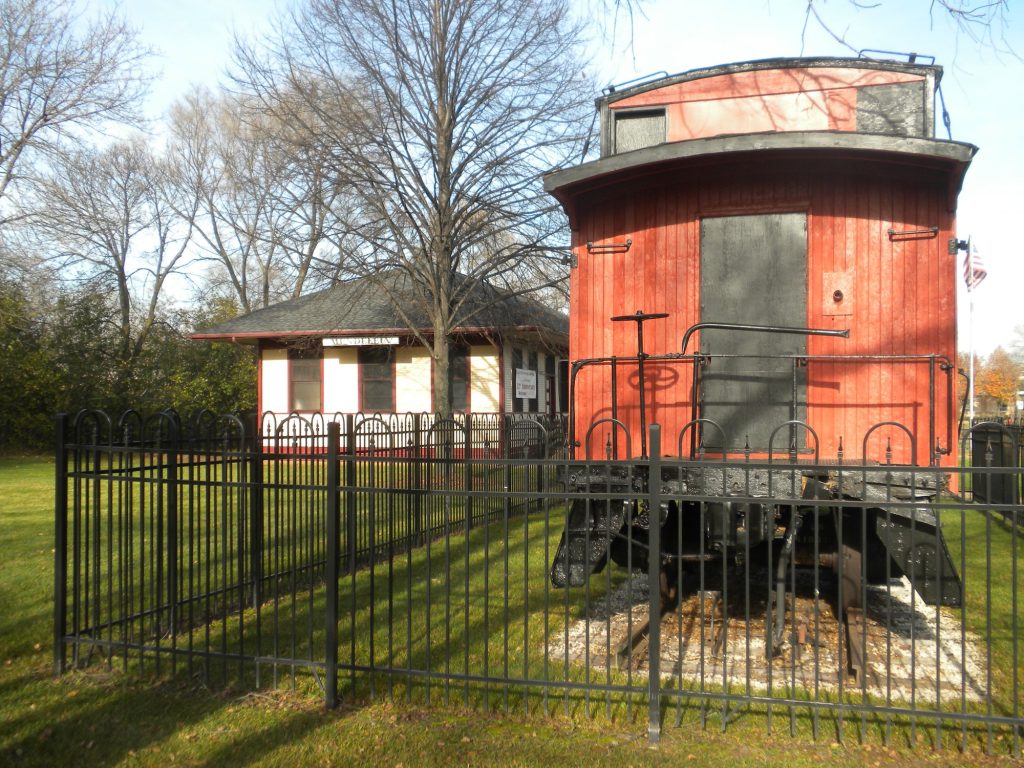
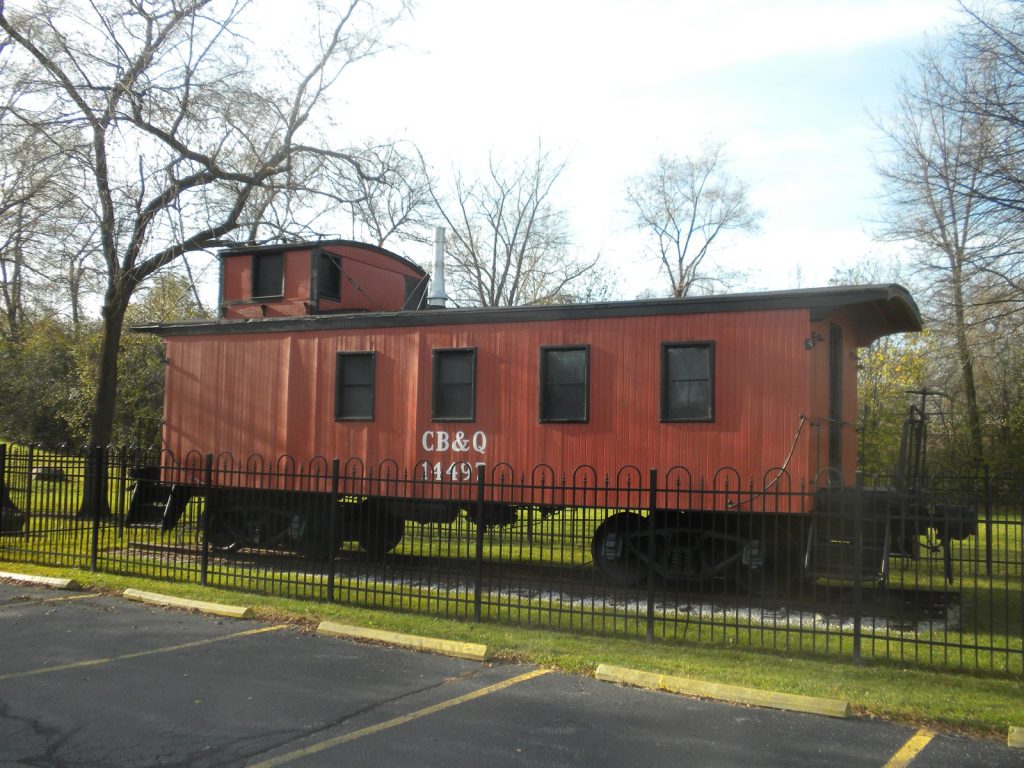
The Fort Hill Heritage Center in Mundelein keeps a vintage CB&Q caboose and a depot-style museum building on its grounds. Both had weathered past the point where a touch-up would hold. We were asked to bring the caboose back to its railroad red with black ironwork, and to repaint the museum building in its cream and oxblood scheme, so the pair read as one historic site again.

What Made It Different
- Old wood, old steel, same car. A caboose is wood siding on a steel frame with iron steps, railings and hardware. Each surface wanted different prep: the wood scraped, sanded and spot-primed where it had gone bare; the iron wire-brushed to sound metal and primed against rust; everything caulked where water had been getting in.
- The colors are not a matter of taste. A historic car has a right color, and the society knows it. The red, the black ironwork and the lettering were matched to the car’s period scheme rather than to a paint chip someone liked.
- It lives outdoors behind a fence. Nobody is going to scaffold a caboose again next year. The finish had to be built for sun, snow and the hands of every visiting school group, which means full-film coats on properly prepared surfaces, not a quick color refresh.
- The museum had to match. The depot building got the same treatment on a bigger scale: siding, trim, doors and the signage boards, in a scheme that belongs to the era of the caboose beside it.
How It Ran
The caboose came first. Prep took longer than painting, as it should on a piece this old: scrape, sand, wire-brush, prime, caulk, and only then color. The crew worked the car end to end, cupola down, so each coat could cure before the next went on. The museum building followed, painted around the society’s open hours so the grounds never closed to visitors.
Painting Things That Are Supposed to Last
Historic structures, museum pieces and municipal landmarks ask more of a painter than a house does: the colors are fixed by history, the surfaces are a century old, and the next repaint is a decade away. We have done this kind of work on the Columbia Carousel at Six Flags Great America, on Metra stations, and for park districts, villages and historical societies across the northern suburbs. If the building in question is a home, our guide to painting historic homes covers the same thinking at house scale.
For a landmark, a village building or any commercial exterior that has gone gray, the first step is a walk-through with Pete.
Talk to Pete About a Restoration Project
Call (847) 564-4880 or request a site visit online. Pete walks every job himself and gives you a written scope, a firm quote, and a schedule the grounds can live with.