
Painting Contractor for Associations That Have to Answer to Residents
An association repaint is a public project in miniature. The board has to approve a scope it can defend, the manager has to keep residents informed, and the crew has to work around people who live there. We have painted condominium buildings, townhome communities, apartment common areas, and clubhouses across the North Shore since 1969, and the jobs that go well all start the same way: a clear written scope, a schedule residents can plan around, and one person who answers the phone.

What We Paint for HOAs and Condo Associations
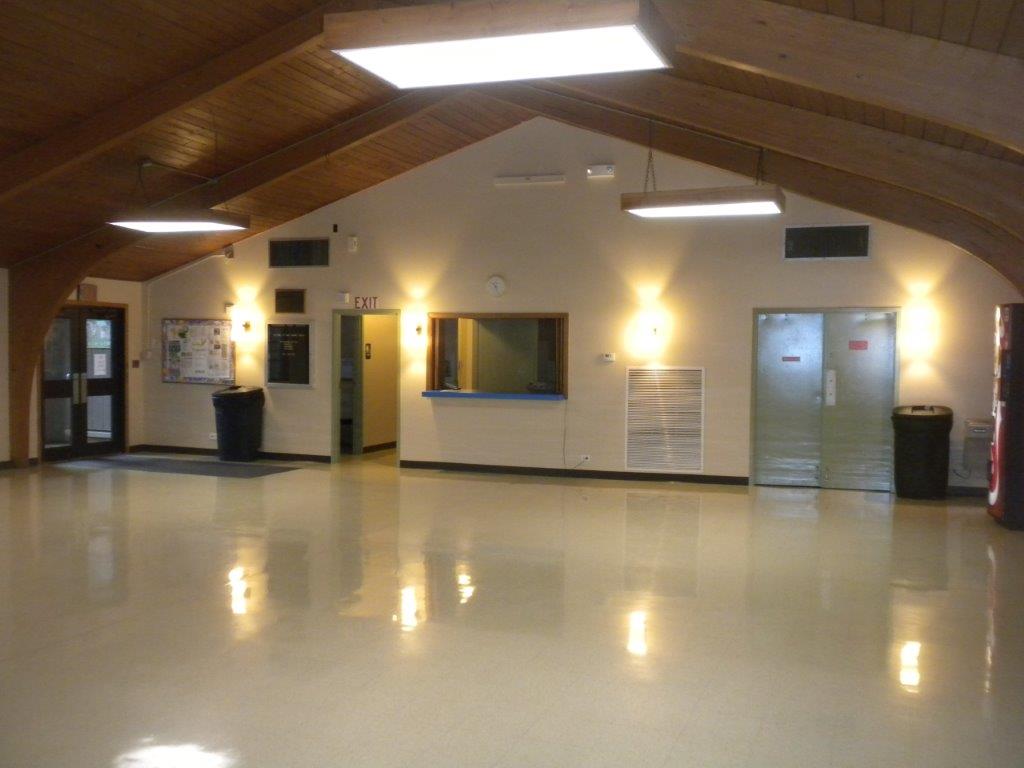
- Common areas: lobbies, hallways, stairwells, elevator landings, mail rooms, laundry rooms, and party rooms, with scrub-resistant finishes where carts and luggage hit the walls.
- Unit entry doors and frames, painted to the building standard so the corridor reads as one.
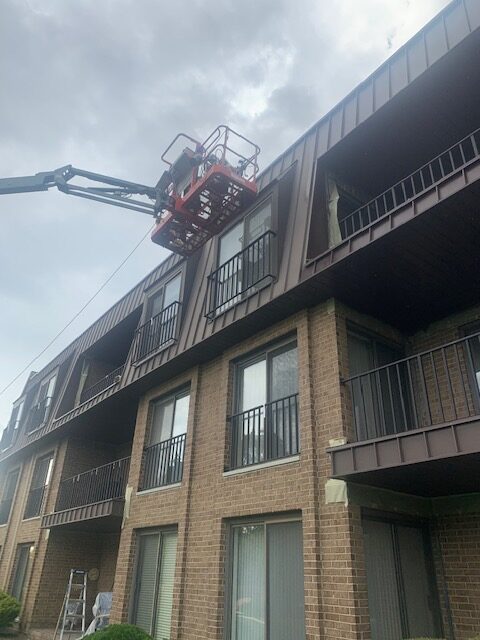
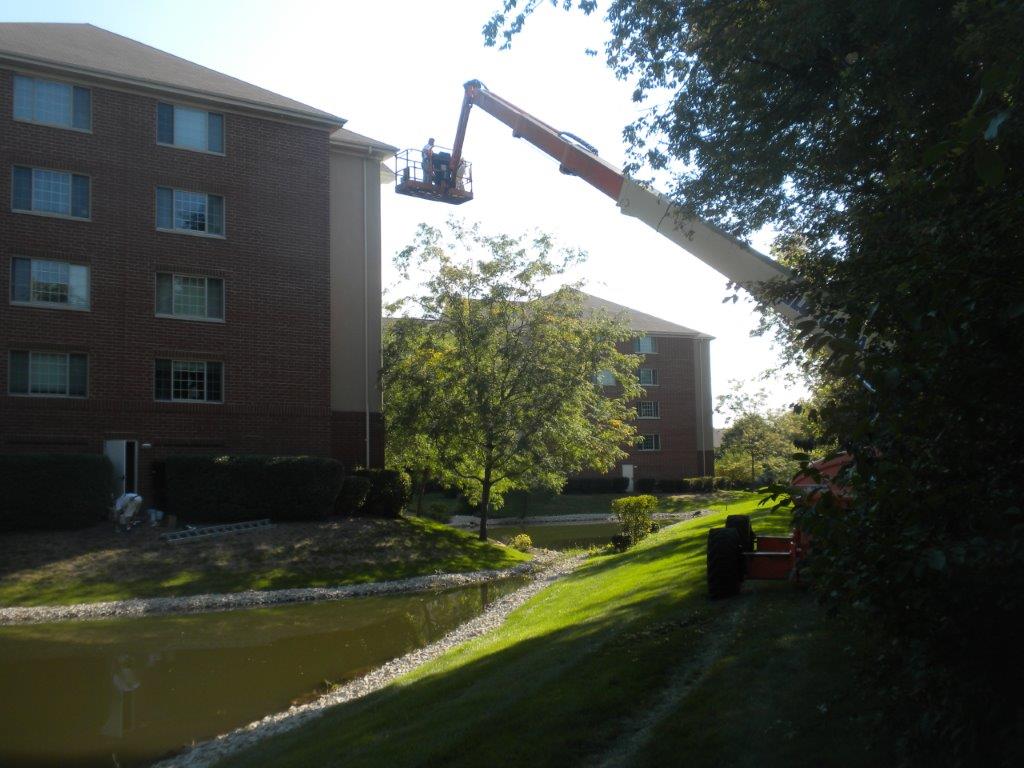
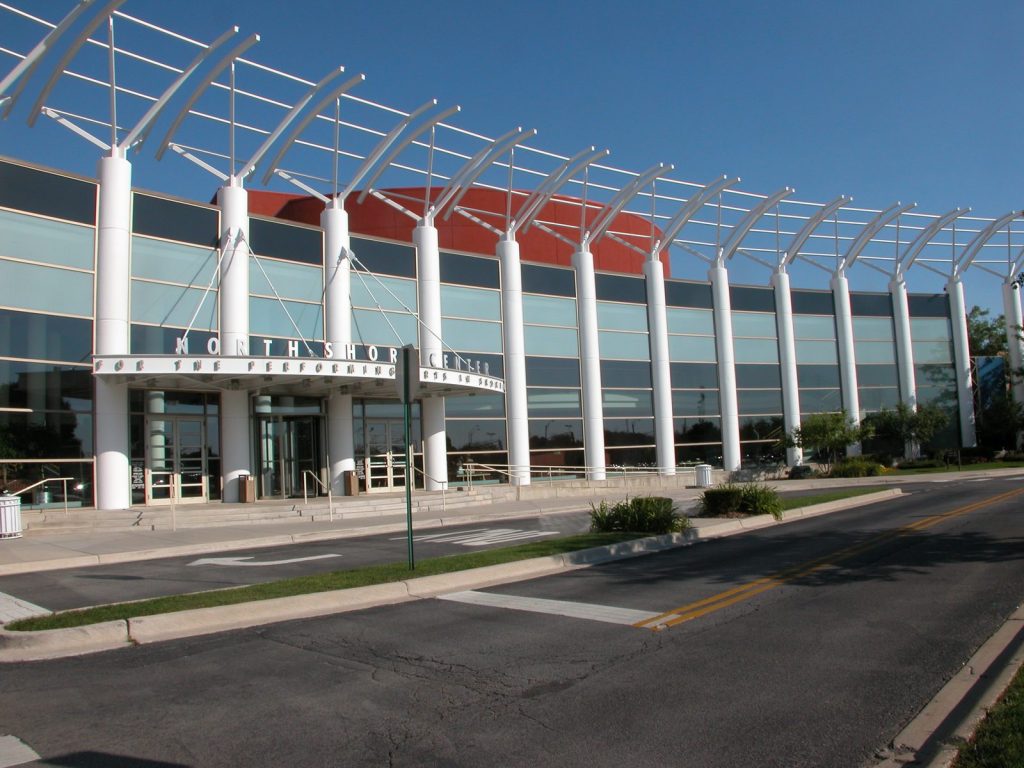
- Exteriors: siding, stucco, EIFS, masonry, trim, soffits, and fascia on low-rise and mid-rise buildings, from certified lifts where needed.
- Balconies, railings, and decks: rust-inhibiting primers and coatings on steel, stain and sealer on wood, scheduled so each resident loses their balcony for days, not weeks.
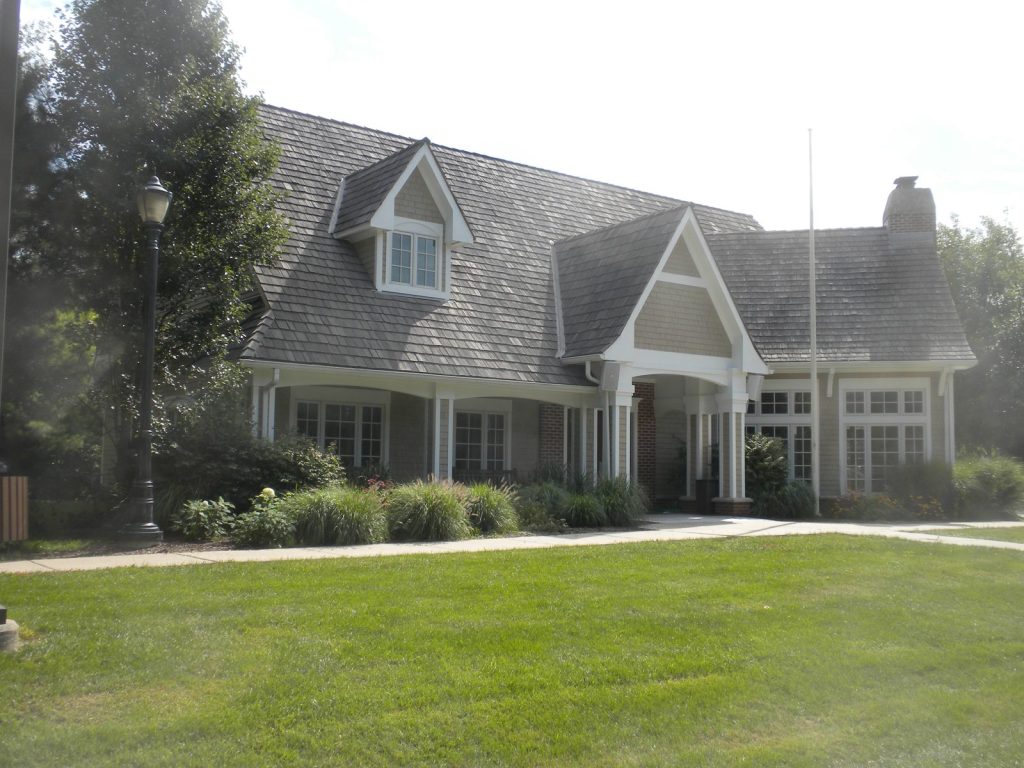
- Clubhouses, pool houses, and fitness rooms, including chlorine-resistant coatings around pools.
- Parking garages: epoxy and concrete coatings for stairwells, walls, and striping.
- Townhome communities: exterior rotations by building or block on a multi-year cycle.
- Drywall, plaster, and carpentry repair before paint, and wallcovering removal in common areas.
How We Work With Boards and Property Managers
- A scope the board can vote on. Pete walks the property with the manager, then writes a scope by building, area, and surface, with product names and the number of coats, so the board compares bids on the same work.
- Paperwork before the start date. General liability and workers compensation certificates, additional-insured endorsements naming the association and the management company, and a W-9.
- Phased scheduling. Floor by floor, building by building, or elevation by elevation, so no resident is locked out and the property never looks like a construction site all at once.
- Resident notices. We give the manager a schedule and a plain-language notice to post or email: what is being painted, when, what residents need to move, and when they get their space back.
- Low-odor products in occupied buildings. Low-VOC and zero-VOC lines in corridors and units so people can live there while we work.
- Color standards on file. We keep a record of every color and sheen used on the property, so a touch-up five years later matches.
- Clean every day. Hallways swept, drop cloths up, nothing left in an egress path overnight.
Timing a Repaint Around the Reserve Study
Most associations repaint on a cycle the reserve study sets, and the budget is approved months before the work. We fit that rhythm: a walk-through and written proposal in time for the budget meeting, a start date that lines up with the fiscal year, and exterior work scheduled in the dry months between late April and October. If a building needs work sooner than the cycle, we will tell the board which elevations can wait and which cannot.
Why Associations Call Pete Back
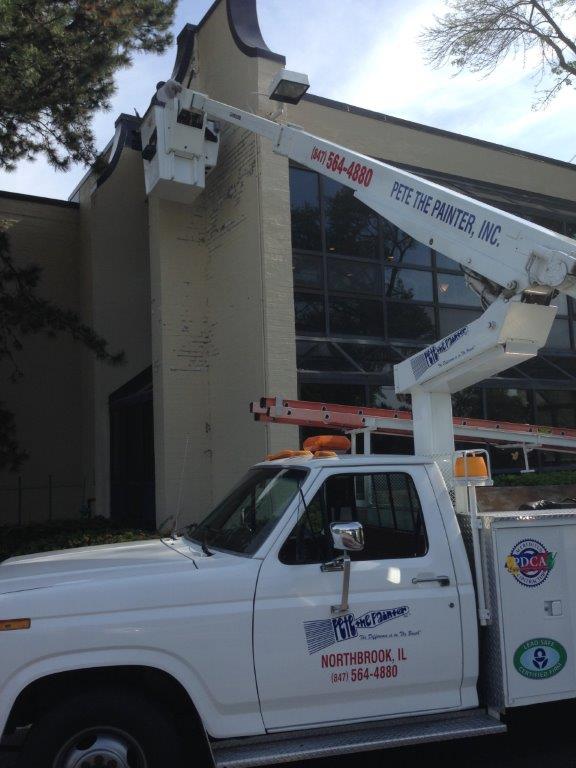
Boards change, managers change, and the one thing that cannot change is the quality of the last paint job. We have been in business in Northbrook since 1969 under the same family, so the contractor who painted the building the last time is the one who comes back. Every crew member is OSHA 10-hour ladder and scaffold certified, we are PDCA accredited and EPA Lead-Safe certified for buildings that predate 1978, and Pete runs every job himself.
Service Area
We work with associations across the North Shore and the Northwest suburbs, including Northbrook, Glenview, Evanston, Wilmette, Skokie, Deerfield, Highland Park, Lincolnshire, Park Ridge, Arlington Heights, Mount Prospect, and Des Plaines. See all of our commercial painting services.
Get a Proposal for Your Board
Call (847) 564-4880 or request a site visit online. Pete will walk the property with your manager and deliver a written scope and quote the board can act on at its next meeting.