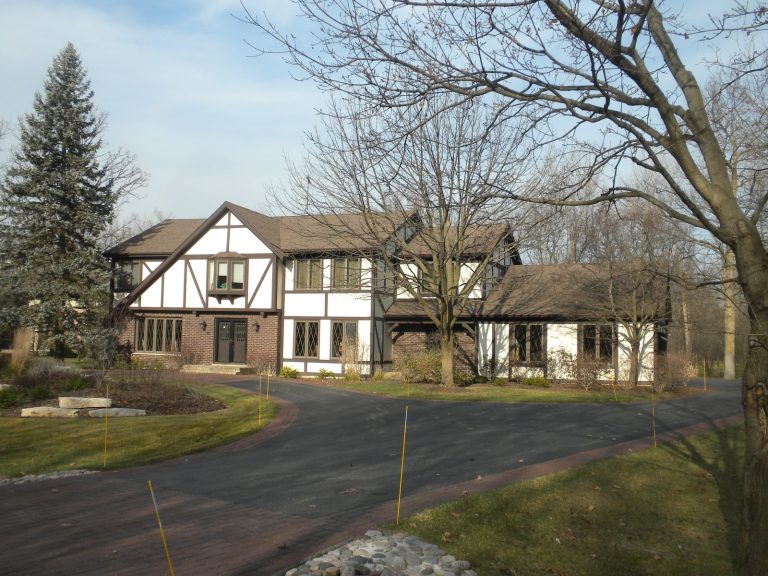

Painting interior or exterior brick is a relatively easy way to give your home a new look without spending a large sum of money on additions, siding, fireplace surrounds, and having to hire renovation experts. It can also be a do-it-yourself project, keeping in mind a few tips.
Painting Exterior Brick
- First, check to see if the brick is in good shape. If you see signs of spalling (peel, flake or crumbles) and efflorescence (a white dust or greenish or brownish salt deposit), this is a sign of water damage and you may need to get that fixed by an expert before you attempt any painting. You can try removing any efflorescence yourself by brushing with a wire brush without water. If you see any cracks in the bricks, seal them with pure acrylic or silicone/acrylic caulk.
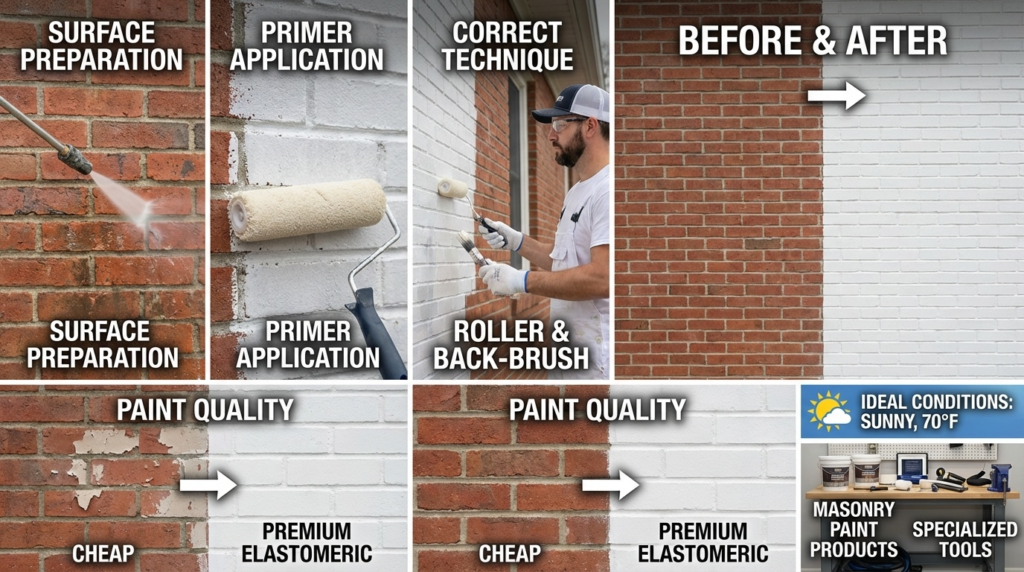
Then, scrub down bricks with mild detergent and a scrub brush or a power washer. Moss, mold, and mildew can be remove by adding 1 part of ordinary household bleach to 3 parts water that should be left on for at least 15 minutes and then scrubbed with a wire brush. Allow the brick to dry thoroughly. Apply a coat of a high quality exterior latex primer and let dry thoroughly, as well. Paint the primed bricks with coat of 100 percent acrylic elastomeric paint (a dense rubberized paint high in acrylic content) such as Valspar Durama or Duron Maxflex.
Painting Interior Brick
- With interior brick, such as fireplace surrounds, you should use the same techniques above regarding efflorescence. Then, using a sturdy brush or rough sponge, clean the brick with a product such as Jomax, SoyClean, Renuit, nonsudsytrisodium phosphate (TSP) or a nontoxic cleaner such as Simple Green or a mix of three-fourths white vinegar to one-fourth water. Rinse the area thoroughly with plain water and wait until it’s completely dry. Apply a stain-blocking primer; the higher the gloss (like a satin or semigloss), the more it will resist soot or other stains. Then paint with the 100 percent acrylic elastomeric paint.
Caveats
Avoid oil-based or alkyd paints, which don’t bond well with mortar joints and will often start peeling within two months. Note that painting brick is pretty much a permanent decision; paint is extremely difficult and expensive to remove from interior or exterior brick. Since paint peels over time, this also means the brick will need to be painted repeatedly. Also, painted brick can mask water damage before it becomes extensive.