
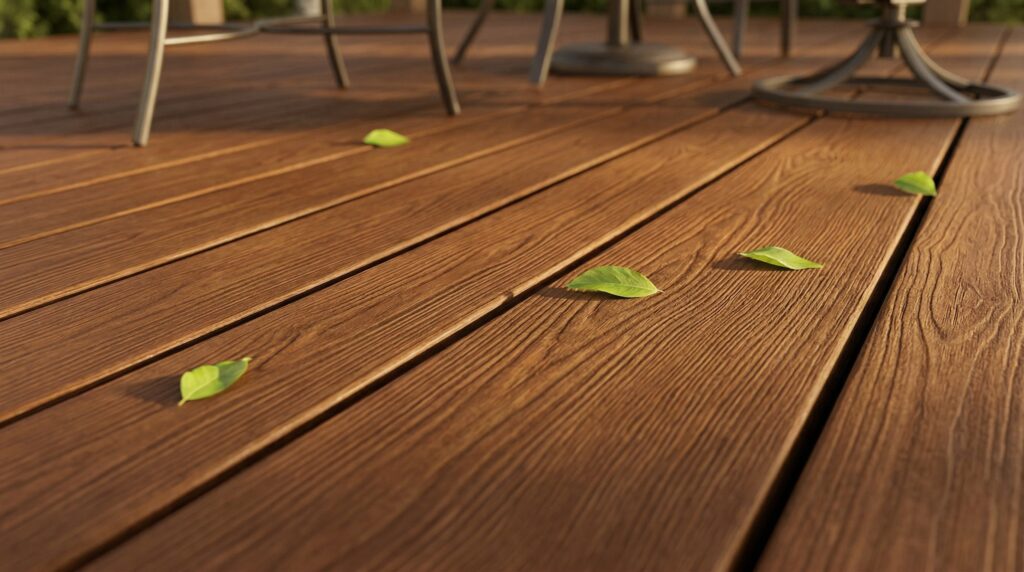
Your deck took a beating this winter. Here’s how to bring it back to life with the right staining approach. Spring is here, and I bet you’re looking at your deck thinking, “What happened out there?” Don’t worry. After 57 years of helping North Shore homeowners bring their outdoor spaces back to life, I’ve seen decks in every condition imaginable. The good news? Most deck problems are fixable with the right staining approach. Let me walk you through everything you need to know to get your deck looking great for summer entertaining.
When to Start Your Spring Deck Project
Timing matters more than most people realize. You can’t just pick a random weekend and hope for the best. Here’s what I tell my customers:
Wait for consistent temperatures above 50°F for at least 48 hours before and after staining. Spring weather can be tricky in our area. One day it’s 65°F and sunny, the next it’s 40°F and raining. That temperature swing will ruin your stain job.
Check the forecast for at least three days of dry weather. Rain on fresh stain creates streaks, uneven color, and poor penetration. I learned this the hard way on a job in Northbrook years ago when we ignored a 30% chance of rain. Trust me, “30% chance” often means “it’s definitely going to rain.”
Early to mid-May is usually the sweet spot in our climate. The wood has had time to dry out from winter moisture, and you’ve got better weather consistency.
Preparing Your Deck the Right Way
This is where most DIY projects go wrong. People want to skip straight to the fun part, but preparation determines how your deck will look two years from now.
Start with a thorough cleaning. I use a pressure washer set to 1,500 PSI maximum. Higher pressure damages wood fibers and creates more problems than it solves. Keep the nozzle at least 12 inches from the surface and work with the grain, not against it.
For stubborn areas, mix oxygen bleach (not chlorine bleach) with water. Chlorine bleach breaks down wood fibers and creates that gray, weathered look nobody wants. Oxygen bleach brightens the wood without damage.

After cleaning, let the deck dry completely. This usually takes 48-72 hours depending on humidity and sun exposure. Here’s a simple test: sprinkle water drops on different areas of the deck. If the water soaks in quickly, you’re ready to stain. If it beads up, the wood needs more drying time.
Choosing the Right Stain for Your Deck
Not all stains are created equal, and what works for your neighbor might be wrong for your deck. Here’s how I help customers make this decision:
Semi-transparent stains are my go-to recommendation for most decks. They protect the wood while letting the natural grain show through. These stains penetrate deep into the wood and typically last 2-3 years with proper maintenance.
Solid stains work better for older decks with multiple repairs or significant weathering. They provide more coverage but hide the wood grain completely. Think of them as paint designed for horizontal surfaces.
Clear sealers look great initially but offer minimal UV protection. In our climate with hot summers and harsh winters, clear sealers need reapplication every year. Most homeowners aren’t prepared for that maintenance schedule.
For color selection, stick with earth tones that complement your home’s exterior. Grays, browns, and cedar tones are safe choices that won’t look dated in five years.
Application Techniques That Actually Work
I’ve watched too many homeowners create more work for themselves by using the wrong application method. Here’s what works:
Use a brush for railings and detailed areas, and a roller or pad applicator for large flat surfaces. Brushes push stain into the wood grain better than anything else, which is why professional painters still use them for critical areas.
Work in manageable sections. Don’t try to stain your entire deck in one marathon session. Stain dries quickly in spring sun, and you’ll see lap marks where sections overlap if you’re not careful.
Always maintain a wet edge. This means never letting one section dry completely before moving to the adjacent area. If you’re working alone, plan your sections based on what you can complete in 10-15 minutes.
Apply thin, even coats. More stain doesn’t mean better protection. Thick applications create a film on the surface that peels and looks terrible within a year. Two thin coats always beat one thick coat.
Common Spring Staining Mistakes to Avoid
After decades of fixing other people’s deck staining mistakes, I can predict the problems before they happen:
Don’t stain over dirty or mildewed surfaces. The stain won’t adhere properly, and you’ll see the dirt bleeding through within months. Wayne Karlins, one of my long-time customers in Northbrook, learned this lesson when he tried to skip the cleaning step on his deck. We had to strip and start over.
Never stain in direct sunlight on hot days. The stain dries too quickly for proper penetration. Early morning or late afternoon applications work best.
Don’t ignore the deck boards’ end grain. These cut ends soak up stain like crazy and need extra attention. Hit them with a brush even if you’re using a roller for the main surfaces.
Skip the oil-based stains unless you really know what you’re doing. They take forever to dry in spring humidity and attract dirt like magnets. Water-based stains dry faster and clean up easier.
Professional vs. DIY: Making the Right Choice
I’m not here to talk you out of DIY projects. But I want you to understand what you’re getting into.
A typical deck staining project takes most homeowners a full weekend, assuming good weather. That includes cleaning, drying time, and two coats of stain. If your deck needs repairs or has multiple levels and railings, add another day.
The cost difference between DIY and professional often surprises people. Quality stain, brushes, rollers, cleaning supplies, and protective equipment add up quickly. Professional jobs include all materials and typically come with warranties on both materials and labor.
Professional staining also means proper surface preparation, which makes the biggest difference in how long your stain job lasts. As Jack Castella mentioned when I helped fix another contractor’s problems, professional experience matters when things don’t go according to plan.
Maintaining Your Newly Stained Deck
Your work doesn’t end when the stain dries. Proper maintenance keeps your deck looking good for years.
Clean your deck twice a year with mild soap and water. Don’t use harsh chemicals or pressure wash too frequently. Over-cleaning strips the stain faster than weather does.
Watch for high-traffic areas that show wear first. Stairs, doorways, and seating areas need touch-ups more often than other sections. Keep some leftover stain for these quick fixes.
Plan to reapply stain every 2-3 years for semi-transparent products, or when water stops beading on the surface. Don’t wait until the wood looks gray and weathered. Prevention costs less than restoration.
Ready to Get Started?
Spring deck staining sets the stage for months of outdoor enjoyment. Whether you’re tackling this project yourself or bringing in professionals, the key is doing it right the first time.
If you’re feeling overwhelmed or want to ensure professional results, I’m here to help. After serving the North Shore community for over five decades, I’ve learned that every deck has its own challenges and opportunities.
Give me a call at (847) 564-4880 and we’ll talk about what’ll work best for your deck. I can walk you through the options, provide a realistic timeline, and help you make the right decision for your situation and budget. No pressure, just honest advice from someone who’s been doing this work for a long time.
Your deck is waiting for its spring transformation. Time to make it happen.